
Bible reading and prayer may not sound like the most thrilling topics, but they are fundamental to the life of every believer. Having considered Bible reading in a previous post, we turn here to its inseparable companion: prayer. These two disciplines belong together—one the means by which God speaks to us, the other the means by which we speak to him.
If you want a vivid picture of what spiritual warfare looks like, try setting aside an extended time to pray. Everything within you—and seemingly everything around you—will conspire to distract you from doing what you have purposed to do. This should not surprise us. It simply confirms how vital prayer is.
The Disciples Who Asked to Be Taught
The disciples once asked Jesus, “Lord, teach us to pray, just as John also taught his disciples” (Luke 11:1). This request emerged from watching Jesus pray. In Luke’s Gospel, Jesus prayed at every significant moment of his life and ministry. He prayed at his baptism, when heaven opened and the Holy Spirit descended (3:21). He prayed at his transfiguration, when his appearance changed and his clothes became dazzling white (9:28–29). Before choosing the Twelve, he spent an entire night in prayer (6:12–13). He regularly withdrew to deserted places to pray (5:16). In Gethsemane he prayed, “Father, if you are willing, remove this cup from me. Nevertheless, not my will, but yours, be done” (22:42). And from the cross: “Father, into your hands I commit my spirit!” (23:46). Prayer bookended and permeated his entire earthly life.
It is telling that the disciples never asked Jesus to teach them how to preach, prophesy, or perform miracles. They asked him to teach them how to pray. They had witnessed something in his communion with his Father that they longed to share. Jesus did not rebuff them. He simply said, “When you pray, say ….” He assumed they would pray and offered them, not a rote recitation, but a pattern to shape all prayer.
Father: The Ground of All Prayer
The prayer begins with a single word: “Father.” It is worth pausing over. The Creator of the universe, the sovereign who raises up and removes rulers, the eternal and omnipotent God, invites his people to address him, not as “Your Majesty,” but as Father. The intimacy expressed in that word is extraordinary. It is an unimaginable privilege, made possible through faith in Jesus Christ.
When we truly grasp what God has done to make this access possible, a natural consequence follows: We become genuinely concerned that this Father’s name be honoured by all people everywhere. Before conversion, we live for our own name and reputation. After conversion, we live for his.
Hallowed Be Your Name
We live in a culture that treats blasphemy as unremarkable. Because it is so widespread, we can become desensitised to its seriousness. But the Bible is unambiguous. Exodus 20:7 warns that the Lord will not leave unpunished anyone who misuses his name. Blasphemy takes two forms: the verbal, using God’s name carelessly as an expression of shock or frustration; and the behavioural, living in a way that brings shame to his name. When David sinned with Bathsheba, God’s indictment was not only that David had sinned, but that “by this deed you have utterly scorned the Lord” (2 Samuel 12:14). Israel’s exile carried the same charge: “Wherever they came, they profaned my holy name” (Ezekiel 36:20).
When God saves us, he changes our hearts so that our concern shifts from our own name to his. We can genuinely pray—and mean it—that his name be treated as holy, by us and by everyone.
Your Kingdom Come
This is a twofold petition. It asks, first, for the present expansion of God’s spiritual kingdom—his reign extending over more and more people as they repent and believe in Christ. Every conversion is a kingdom advance.
It asks, second, for the final and physical establishment of his kingdom: the return of Christ, the new heaven and new earth, when the spiritual and physical will be united in purity and wholeness. This future hope gives shape to the present life.
Give Us This Day Our Daily Bread
This petition runs against the grain of a culture that prizes self-sufficiency. We are reluctant to connect our daily provision with God; we prefer to trace it to our own effort and intelligence. But this prayer insists on it: Everything we need to live comes from God’s hand. The daily manna in the wilderness was designed by God to teach exactly this. He gave it not monthly but daily, and it could not be stored. Every morning the Israelites woke to a fresh reminder: This comes from heaven; we are dependent on God today.
Deuteronomy 8:17–18 makes the warning explicit: Do not say, “My power and the might of my hand have gained me this wealth”—for it is God who gives the power to gain it. Praying for daily bread is not weakness; it is the daily exercise of faith that guards against pride.
Forgive Us Our Sins
Left to ourselves, few of us would include this petition. Acknowledging ongoing sin is uncomfortable. But Jesus instructs his disciples to pray this way every day, because it is true: We all stand in daily need of forgiveness. For the believer, this petition is not cause for despair but for joy—a daily return to Christ, a grateful acknowledgement that his death has paid for these sins, that the work is complete.
The second half of the petition—”for we ourselves forgive everyone who is indebted to us” (Luke 11:4)—is easily misread. Jesus does not present our forgiveness of others as the condition for God’s forgiveness. The basis of God’s forgiveness is the work of Christ alone. But our willingness to forgive others is the evidence that we have truly understood and received that grace.
God has been lavish and merciful toward us, forgiving sins that, if met with strict justice, would have destroyed us. When we grasp the scale of what we have been forgiven, extending forgiveness to others becomes not only possible but natural. Refusing to forgive whilst asking God for forgiveness reveals a failure to grasp the gospel.
Lead Us Not Into Temptation
This final petition does not suggest that God tempts his people. James 1:13 is clear: “God cannot be tempted with evil, and he himself tempts no one.” Rather, the prayer acknowledges that God, in his sovereignty, can allow his people to enter situations of severe testing.
The story of Job illustrates this: God did not tempt Job, but he permitted the testing so that Job’s genuine faith could be demonstrated. The prayer says, in effect: I am not Job. I cannot be confident I will withstand whatever test comes. Peter was confident—”I will never fall away” (Matthew 26:33)—and we know what happened.
This final petition is a deeply honest self-assessment: I am saved by grace and forgiven by God, but I am vulnerable. I face real temptation every day. Father, protect me. Guard me from situations where I might respond to temptation in a way that dishonours your name, because I am yours.
What Are We Actually Praying For?
Honest reflection on the content of our typical prayer times reveals a gap between what Jesus commends and what we actually practise. Most prayer is filled with personal requests: health concerns, financial needs, family anxieties. These are not illegitimate—God invites us to bring our needs to him. But when they exhaust the conversation, it is unsurprising that prayer feels thin and that spiritual power seems absent.
Jesus calls us to pray for something richer: an intimate relationship with God as Father; a genuine desire for his name to be honoured; kingdom priorities, both present and future; daily dependence on his provision; awareness of sin and gratitude for forgiveness; lavish forgiveness towards others; and humble protection from temptation. These are the basics. These are the things that produce spiritual power. These are the things that give shape to a life that truly honours God—and by his grace, they are what we are called to practise.
About the author
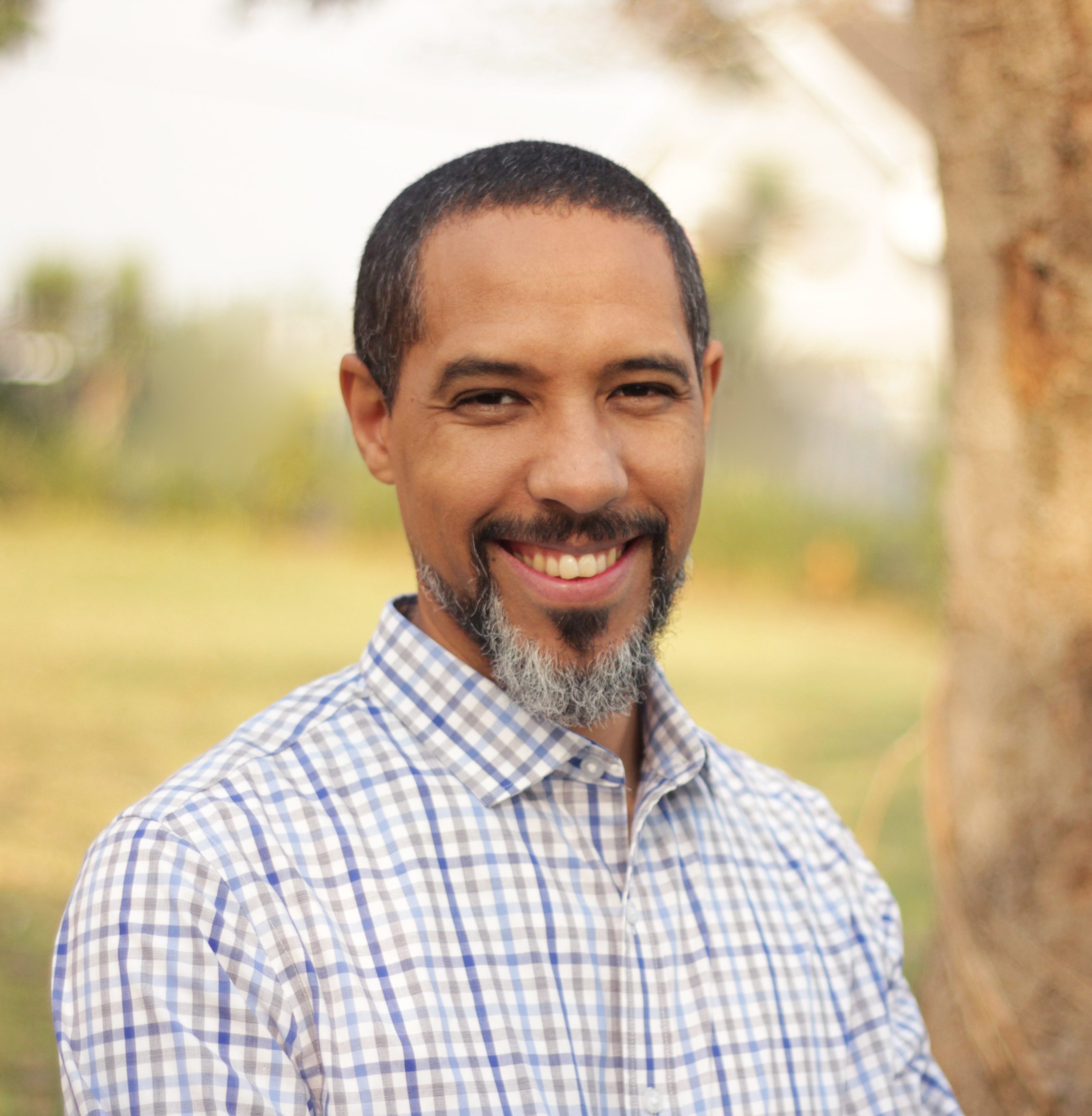
Jonathan Tempies is the pastor-teacher of Grace Baptist Church in Amanzimtoti, South Africa. He is married to Christy and together they have three children.
