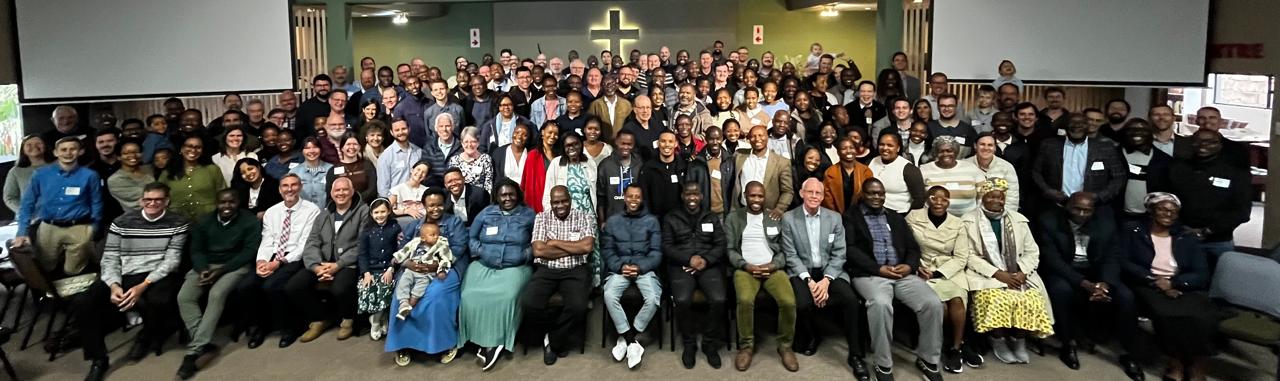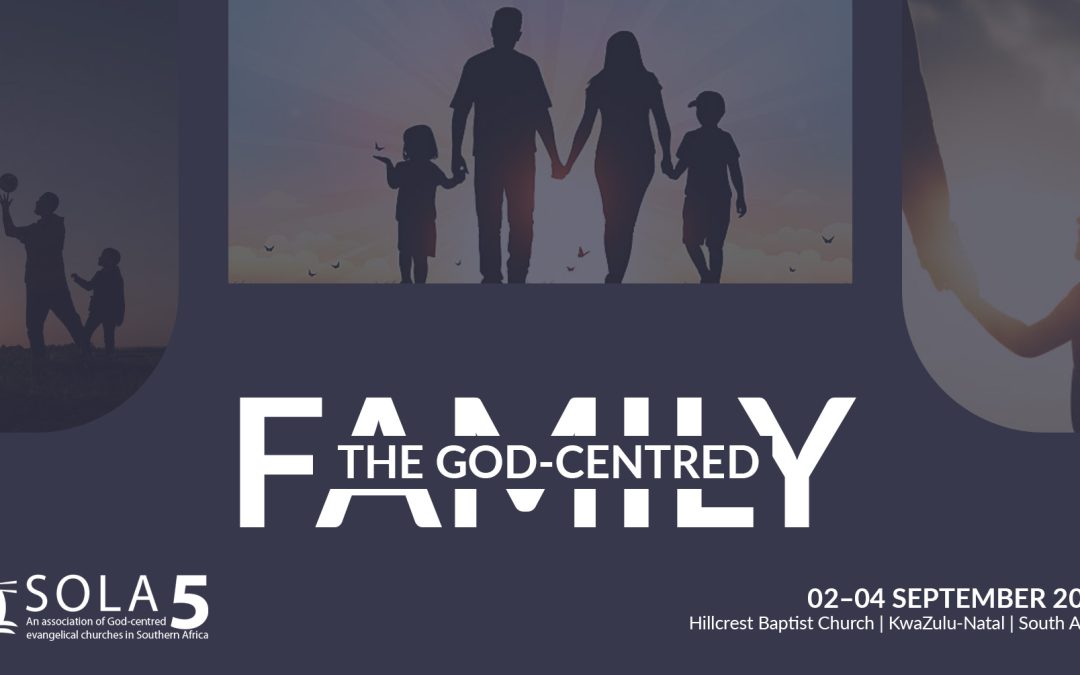
The 21st annual Sola 5 conference was hosted by Hillcrest Baptist Church in KwaZulu-Natal, South Africa. Delegates from across Southern Africa descended on Hillcrest from 2–4 September for three days of fellowship and encouragement, with the conference focus on “The God-centred Family.”
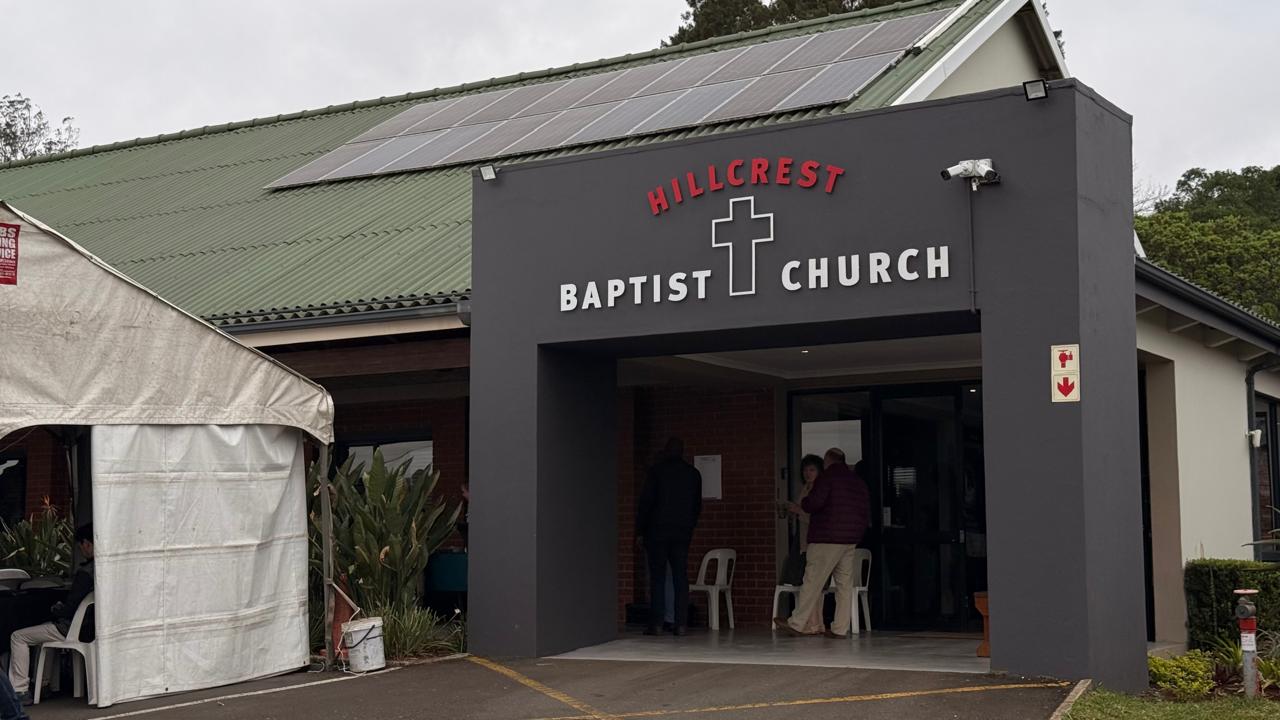
Plenary Session 1—Wednesday, 2 September 2026


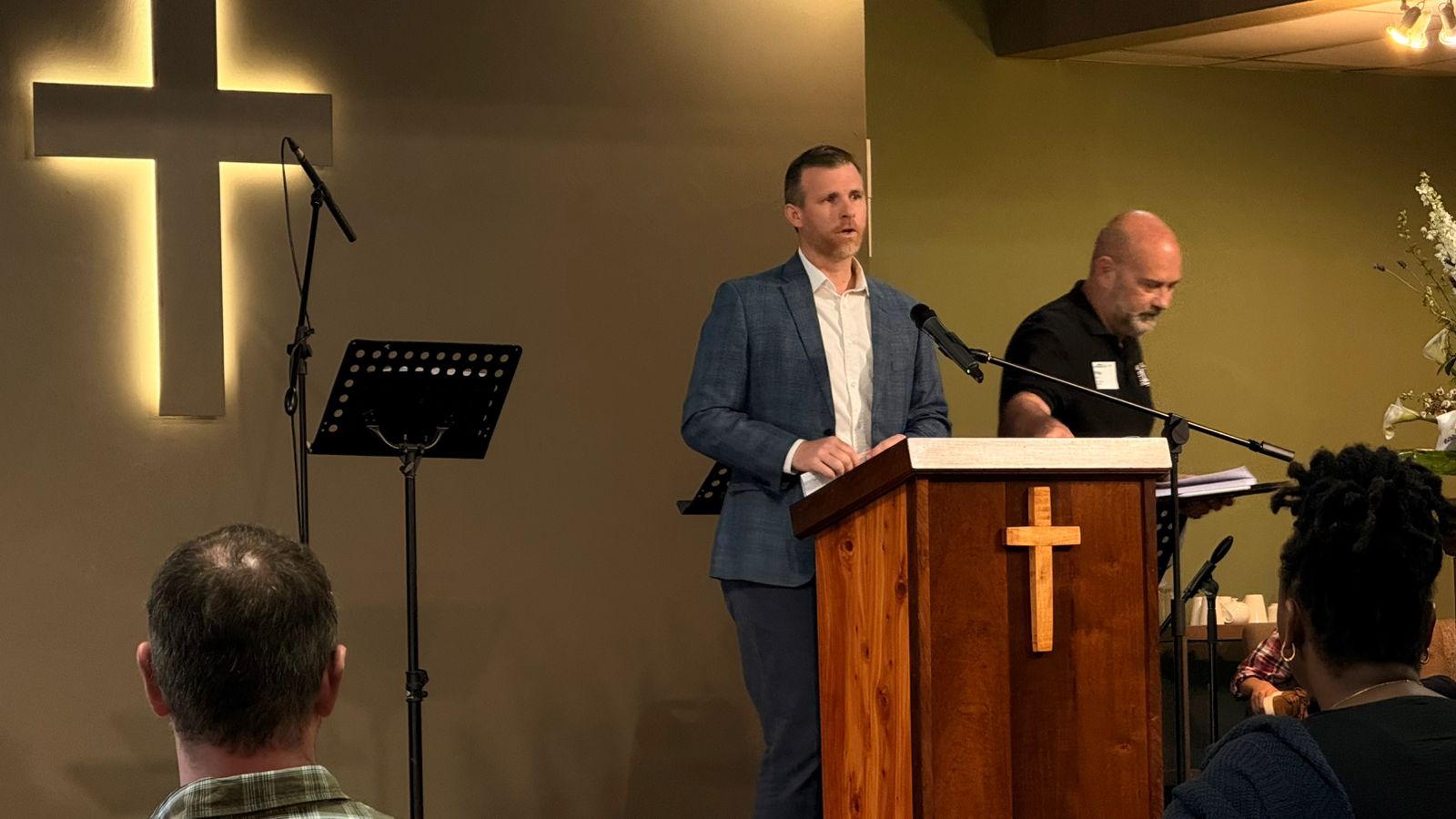
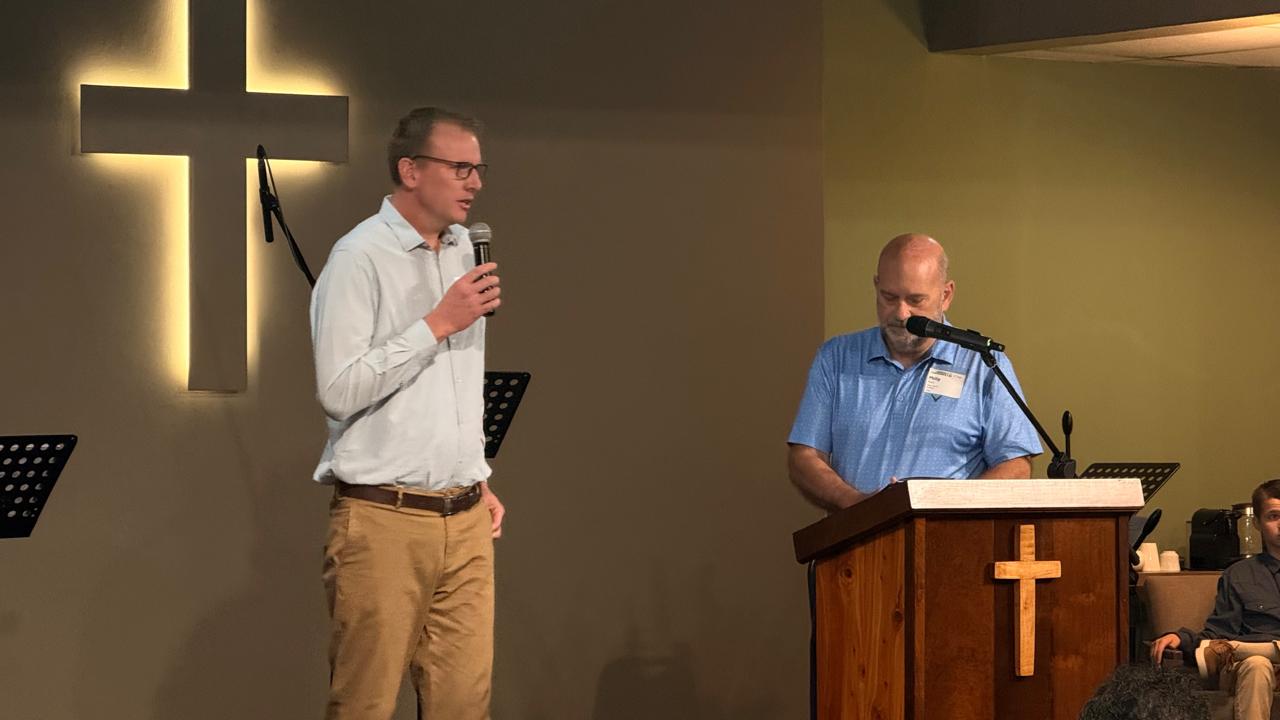
Phil Hunt, pastor of Kitwe Church in Zambia and presiding chair of the steering committee, reiterated Sola 5’s goal to form and facilitate church planting partnerships. To that end, Phil invited Stephen Scholtz to the front to share about a church planting opportunity in Walkerville, South Africa. Stephen is an elder at Brackenhurst Baptist Church in South Africa and has been identified by the church as the lead church planter. Stephen shared about the opportunity and asked for prayer for the work, the details of which will be posted after the conference on the church partnership page.

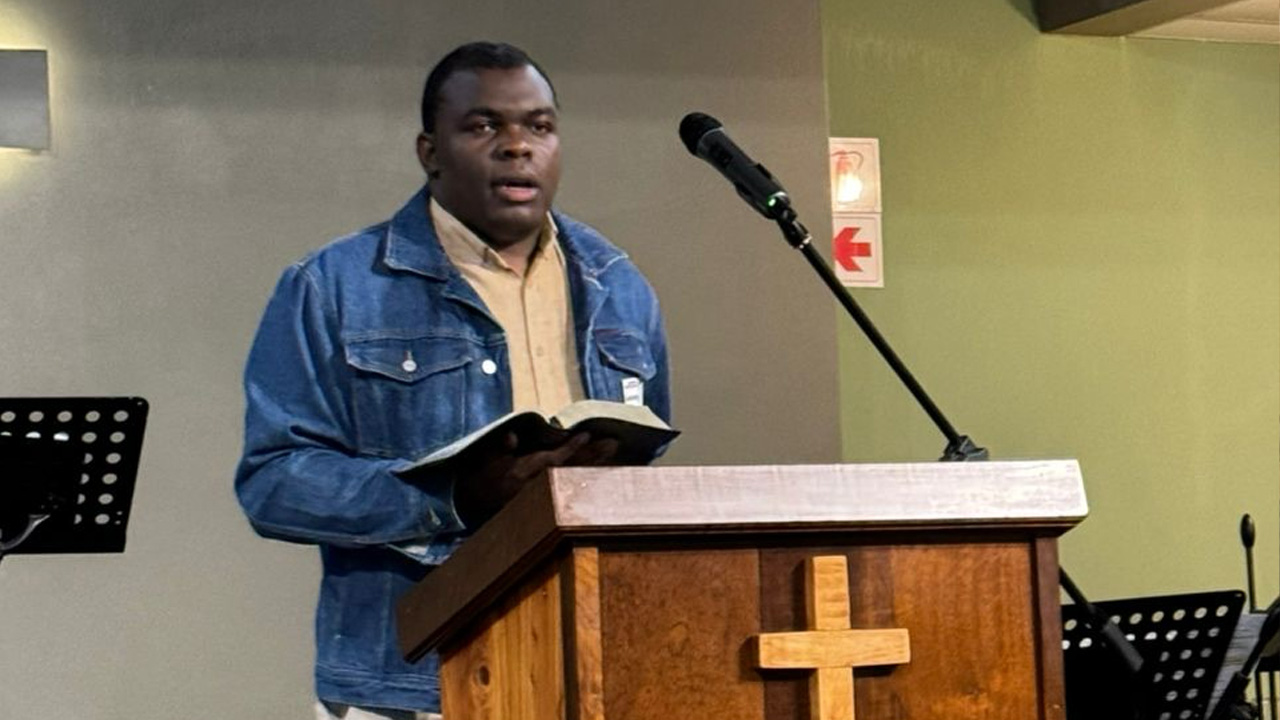
Billy-Joe prayed for the church plant effort, and the congregation join in another song before Newton Chilingulo, pastor of Reformation Bible Church in Lilongwe, Malawi, was invited to share God’s word, which he did from Ephesians 2:19–22.

He traced the Bible’s home-shaped storyline: Eden lost, and Scripture moving from there toward Revelation 21:3’s promise that God will dwell among his people. Ephesians 2 sits inside that broad narrative: Because Christ has reconciled sinners to God (2:11–18), the church now becomes an earthly household anticipating the heavenly one.
Newton worked through four pictures in these verses, each building on the last.
One household (v. 19). Believers move from “strangers and aliens” to “fellow citizens” and “members of the household of God.” Paul’s language intensifies from stranger to citizen to family. Drawing on his own experience emigrating from Malawi to South Africa, Newton noted that citizenship falls short of what Paul describes. This is family, unearned and unchosen, the way biological family is unchosen yet still binding.
One foundation (v. 20). The church stands on “the foundation of the apostles and prophets, Christ Jesus himself being the cornerstone.” The church doesn’t invent its message but receives it. Everything must take its line from Christ, the way stones in a building align to the cornerstone.
One temple (v. 21). Believers are “being joined together,” growing into a holy temple. Newton drew on the image of a messy, unfinished construction site to explain church unity amid real difference: Trust the builder rather than judging the work mid-progress.
One dwelling (v. 22). This is the climax: The church becomes “a dwelling place for God by the Spirit,” echoing Eden, tabernacle, temple, and incarnation. Newton illustrated with a rural image of smoke rising from a home’s kitchen—visible evidence that someone lives there—asking what “smoke” (visible love, mutual care across churches and nations) tells the watching world that God dwells among his people.
The application turned outward to church partnerships and cross-border fellowship (Malawi, Zambia, Zimbabwe, Mozambique, South Africa), urging cooperation over competition and warning against unity reduced to shared labels rather than shared union with Christ. Newton closed with a clear gospel appeal—nearness to Christians isn’t the same as being in Christ—and closed in prayer.
After a final congregational song, Billy-Joe offered some final announcements and dismissed the meeting.
Plenary Session 2—Thursday, 3 September 2026
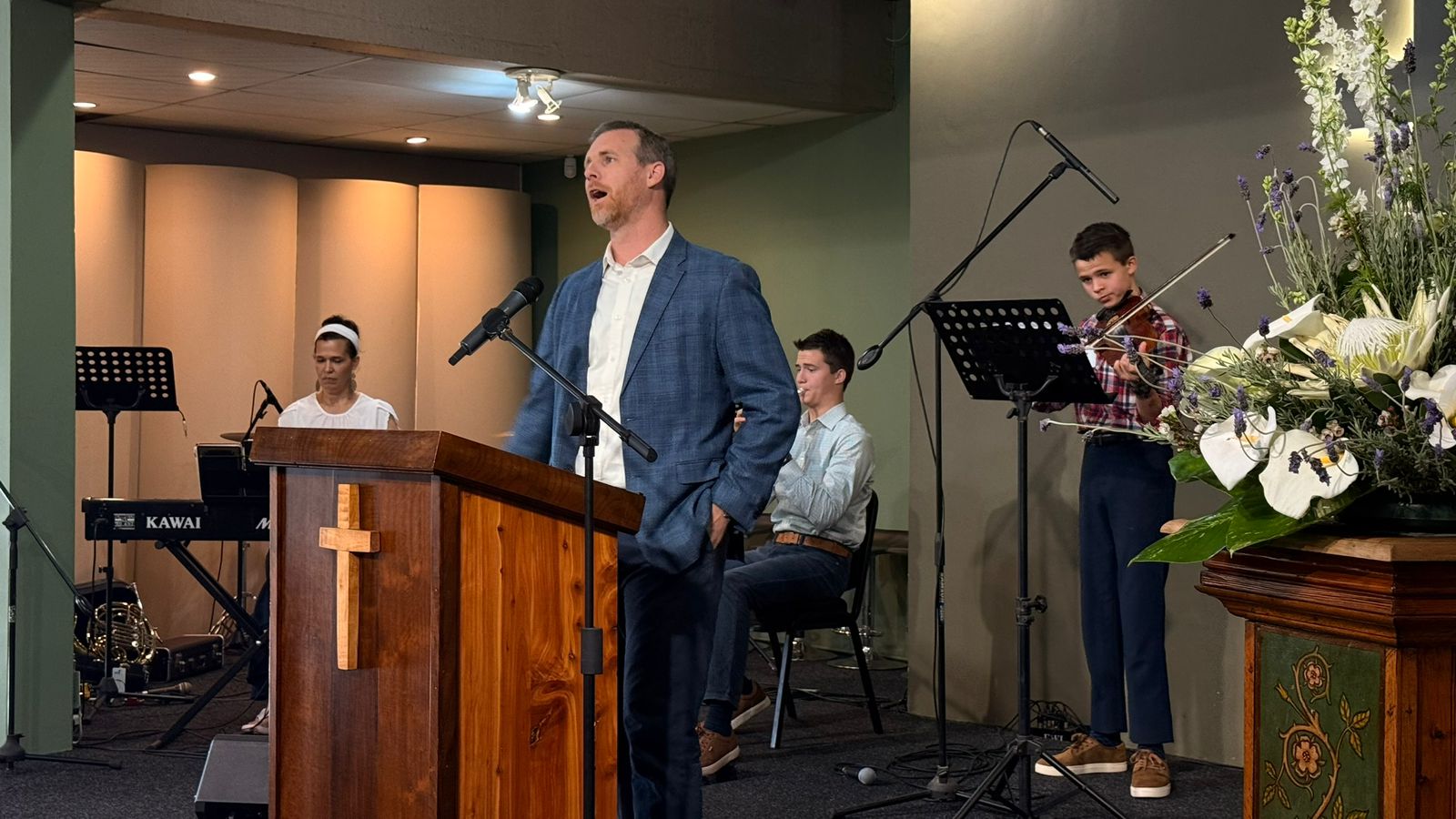
Free book giveaways were announced, including a new book written by Paul Schehlein on marriage and family. Phil asked Paul to explain the burden behind the book and encouraged every delegate to stop by the giveaway table to collect their free resource.
Billy Zwart, pastor of host church Hillcrest Baptist Church preached the second plenary sermon on “The Role of the Father.”
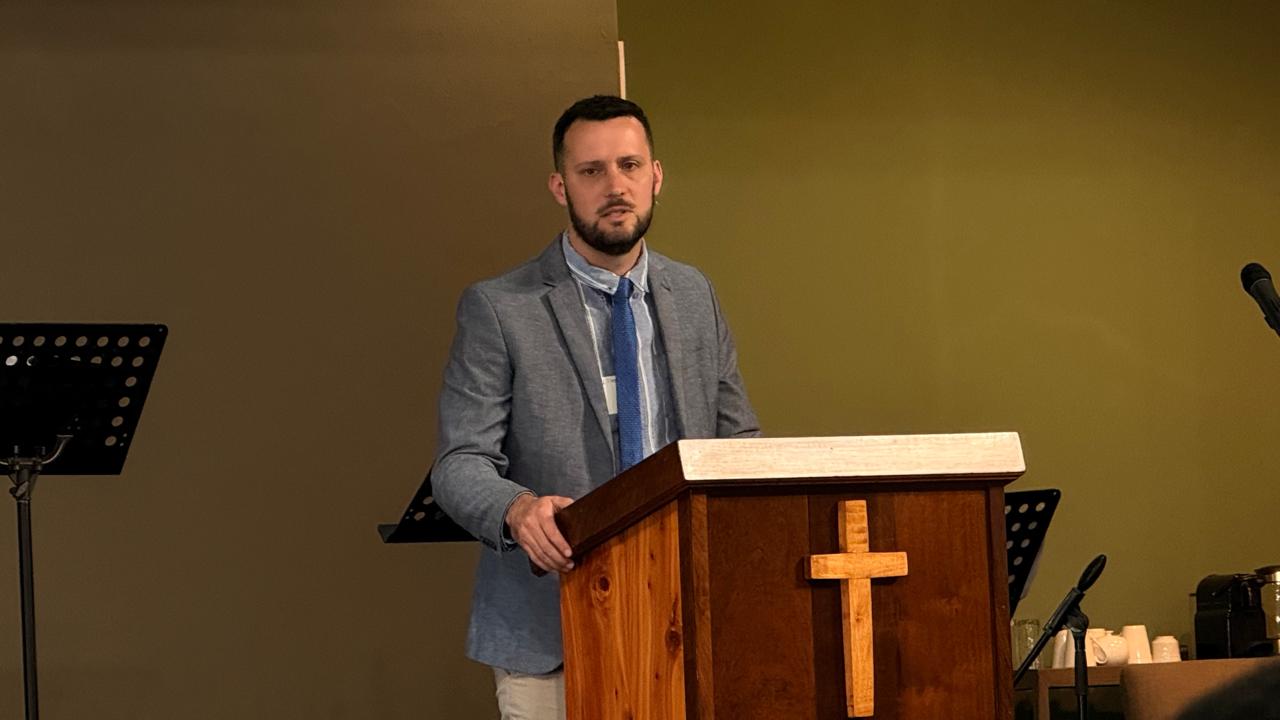
Working from Hebrews 12:5–11, Billy argued that God’s discipline of his children is proof of his fatherly love, rather than a sign of rejection, and that this truth about God the Father should shape how Christian fathers discipline their own children.
Billy focused on the Father’s discipline in vv. 5–6. The writer addresses suffering believers as sons, not strangers. Trials are proof of sonship, not divine indifference.
He next highlighted the Father’s sovereignty in v. 7. God is the active, sovereign cause of discipline, not merely a repairer of accidents.
He finally zoned in on the Father’s aim in vv. 10–11. Discipline aims at holiness and yields “the peaceful fruit of righteousness.”
Billy drew application by highlighting four marks of Christlike fatherly discipline.
First, its source must be love (v. 6; 1 John 4:10–12), guarding against disciplining out of pride, fear, or shame. Second, fathers must aim for the heart, not mere behaviour. Third, the vision must be belonging and mission. Discipline confirms identity as sons, not just compliance. Fourth, the reward is a harvest of righteousness. Billy offered a critique of “gentle parenting” and prosperity gospel-influenced parenting that shields children from all hardship.
Billy brought it back to Christ’s own endurance (Hebrews 12:2) and the cross as the ultimate ground of the Father’s love, with a prayer for fathers across southern Africa.
Annual Business Meeting
One church—Calvary Avenue Revival Evangelical Church—had failed to register renewal of membership in writing in time for the business meeting, which meant that the church’s membership had automatically lapsed. Four churches had applied for membership:
2. Lilongwe Bible Church (Lilongwe, Malawi)
3. Trinity Bible Church (Lilongwe, Malawi)
4. Parklands Bible Church (Cape Town, South Africa)
Phil then introduced the steering committee. Four existing members—Phil Hunt (chair), Paul Schlehlein (secretary), Stuart Chase (administrator), Charles Woodrow—would continue serving uninterrupted, while three members—Chipita Sibale, Francois Koch, and Newton Chilingulo—were retiring by rotation and had opted not to stand for renomination.
Four new nominees had been received: Frans Brits (Eastside Baptist Church); Franz Greffrath (Antipas Reformed Baptist Church); Jonathan Klimek (Living Stone Bible Church); and Brino Kumwenda (Christlike Reformed Baptist Church). By digital vote, all four members were welcomed to the steering committed by the required majority.
Stuart Chase surveyed the financial report for the preceding year and presented Sola 5’s first ever budget. Delegates unanimously affirmed the proposed budget and received as an accurate reflection the financial report.
Phil reviewed the work of the steering committee over the past year and highlighted findings from the anonymous survey performed at the 2025 conference in Antioch. He reminded delegates of the vision for Sola 5 and offered some practical ways that churches could be involved in meeting this vision.
Phil then announced venues for the next three conferences:
2. 6–8 September 2028—Lilongwe, Malawi
3. 5–7 September 2029—Manzini, Eswatini
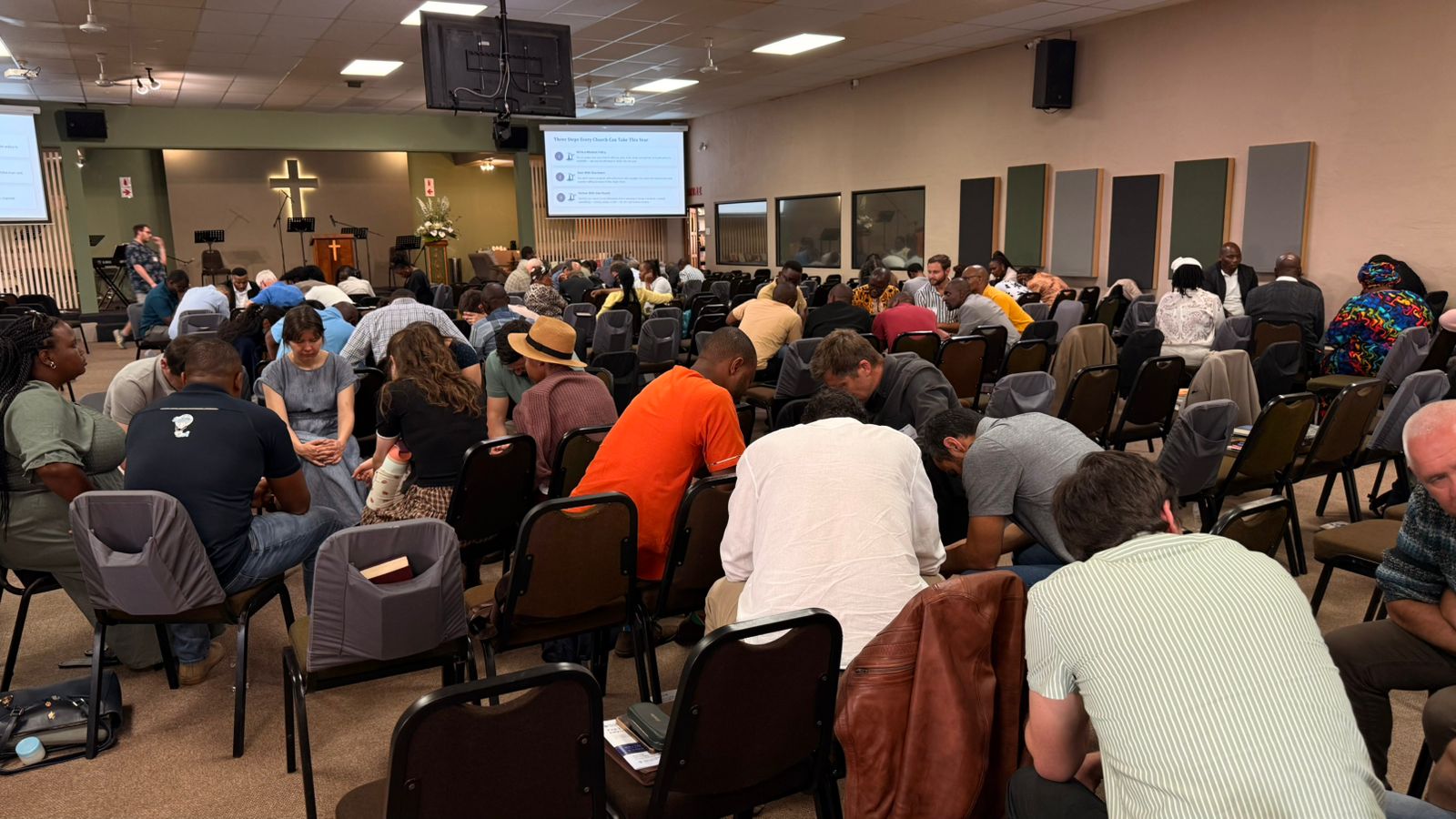
The business meeting having concluded, delegates enjoyed lunch and then gathered back together for a time of small group prayer.
Breakaway Session 1—Thursday, 3 September
The post-lunch session comprised two breakaway workshops. Chris Mnguni, pastor of Grace Baptist Church in Daveyton, South Africa, led a workshop of the issue of lobola, while Charles Woodrow, missionary pastor at Fellowship of Believers in Christ in Nampula, Mozambique, led a workshop on singleness, delayed marriage, and God’s timing.
The afternoon was given to free time before dinner was served at 5:30 pm and delegates returned to the main hall for the closing session of the day at 7:00 pm.
Plenary Session 3—Thursday, 03 September
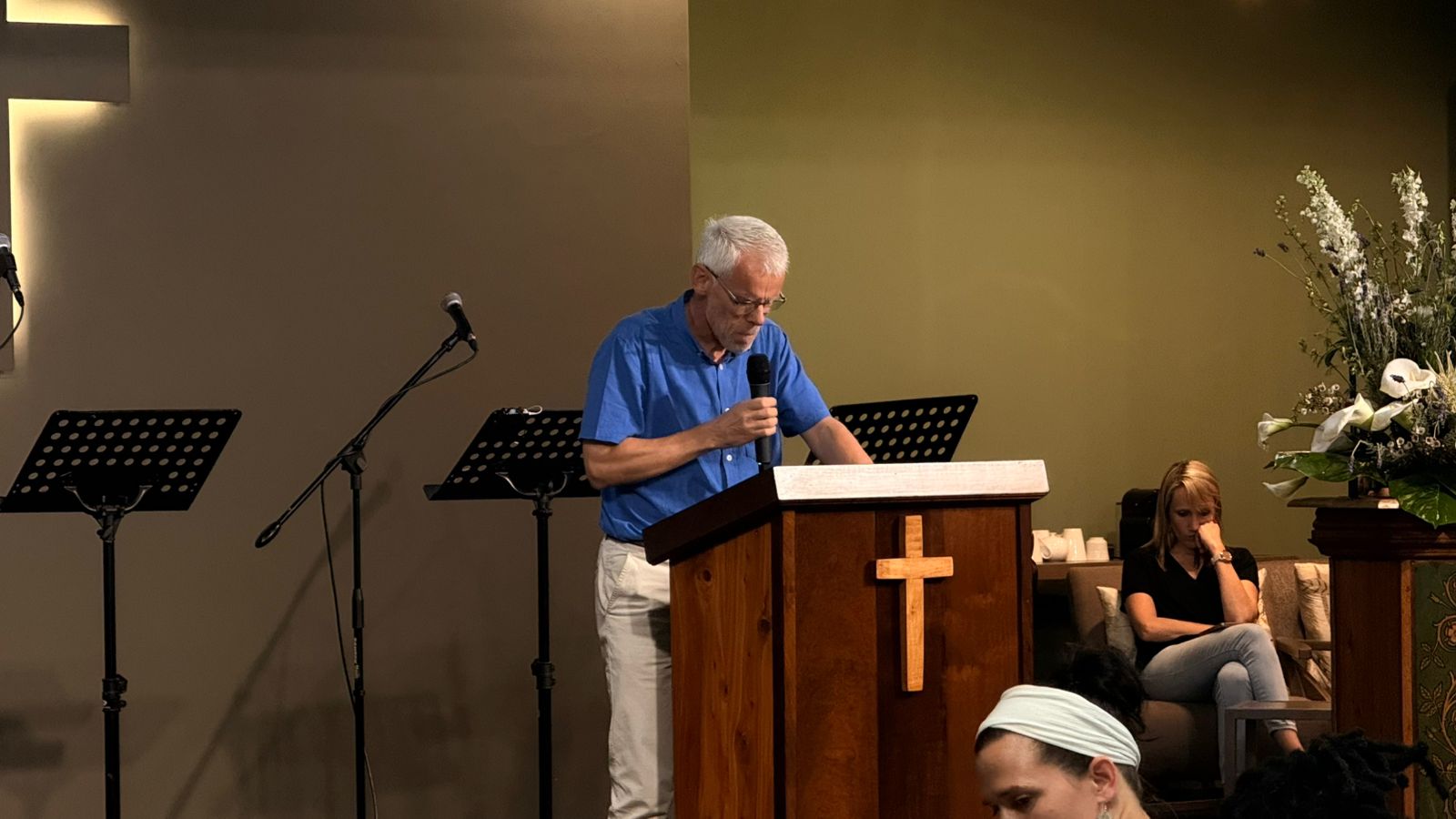
Diving into the text, Paul highlighted three aspects.
First, as to the recipients, he addresses fathers first. While child-rearing is not exclusively the domain of fathers, they do carry the primary weight. The text highlights this by speaking of parents in v. 1 but then switching to fathers in v. 4. Paul highlighted a string of biblical texts that underscore this focus. This emphasis was desperately needed in South Africa, which has an alarmingly low rate of two-parent households.
Second, Paul drew attention to the rebuke. Fathers must not provoke their children to anger. Practically, Paul highlighted ten ways in which this might happen: favouritism, harshness, condescension, being overbearing, neglect through busyness, inconsistency, refusal listen, public humiliation, scolding without instruction, and pampering into softness.
Third, Paul highlighted the requirement in the text: for fathers to bring their children up in the discipline and instruction of the Lord. These three terms—bring up, discipline, and instruct—describe an ongoing, patient process of nurture rather than a one-time achievement. Fathers are called to persistent, Scripture-grounded training rather than bare correction.
Paul concluded with a series of practical suggestions for fostering this sort of training: catechising children, memorising Scripture together, urging children toward genuine faith in Christ rather than assuming it, establishing consistent family worship, encouraging honest and searching conversation, and modelling a godly life. Fathers must point their children to Christ—in friendships, in entertainment, in worship, and in everyday home life.
Paul concluded with a stirring challenge: Few will be remembered long after their death, but raising a child to love and worship Christ is among the most enduring works God gives anyone to do.
The service concluded with a congregational song before Newton dismissed the congregation with some final announcements, prayer, and a benediction.
Plenary Session 4—Friday, 04 September
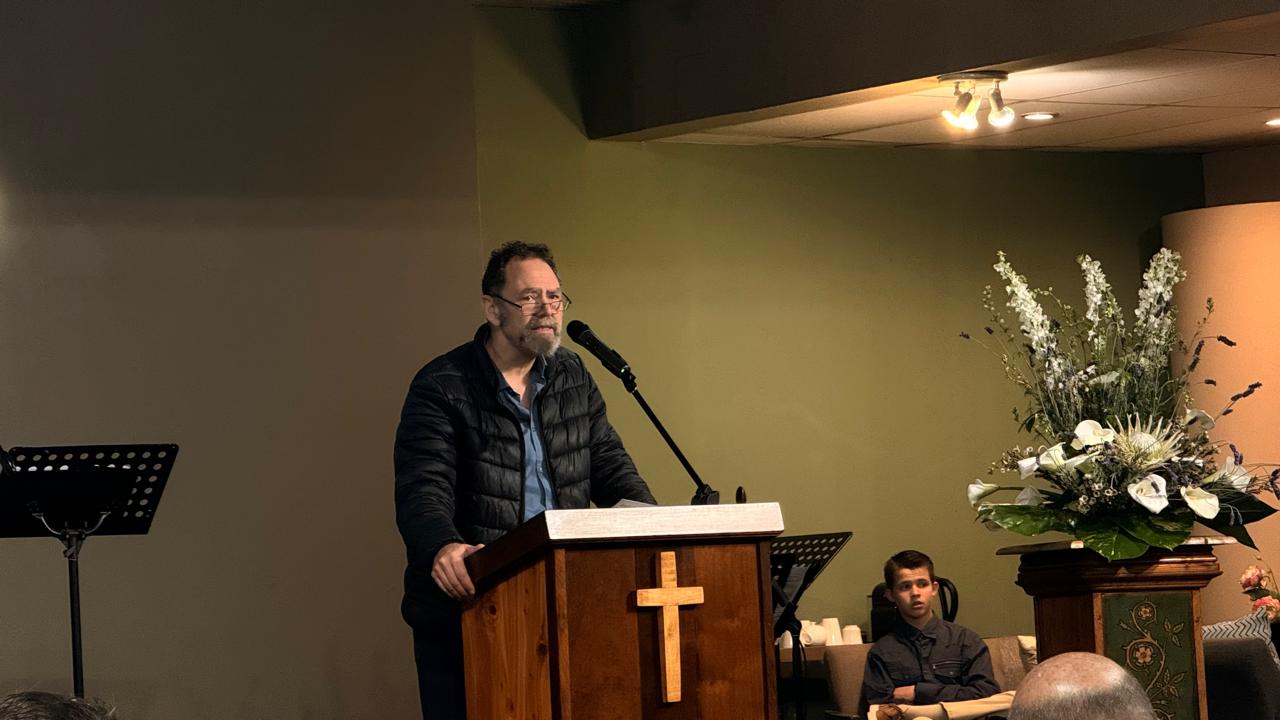
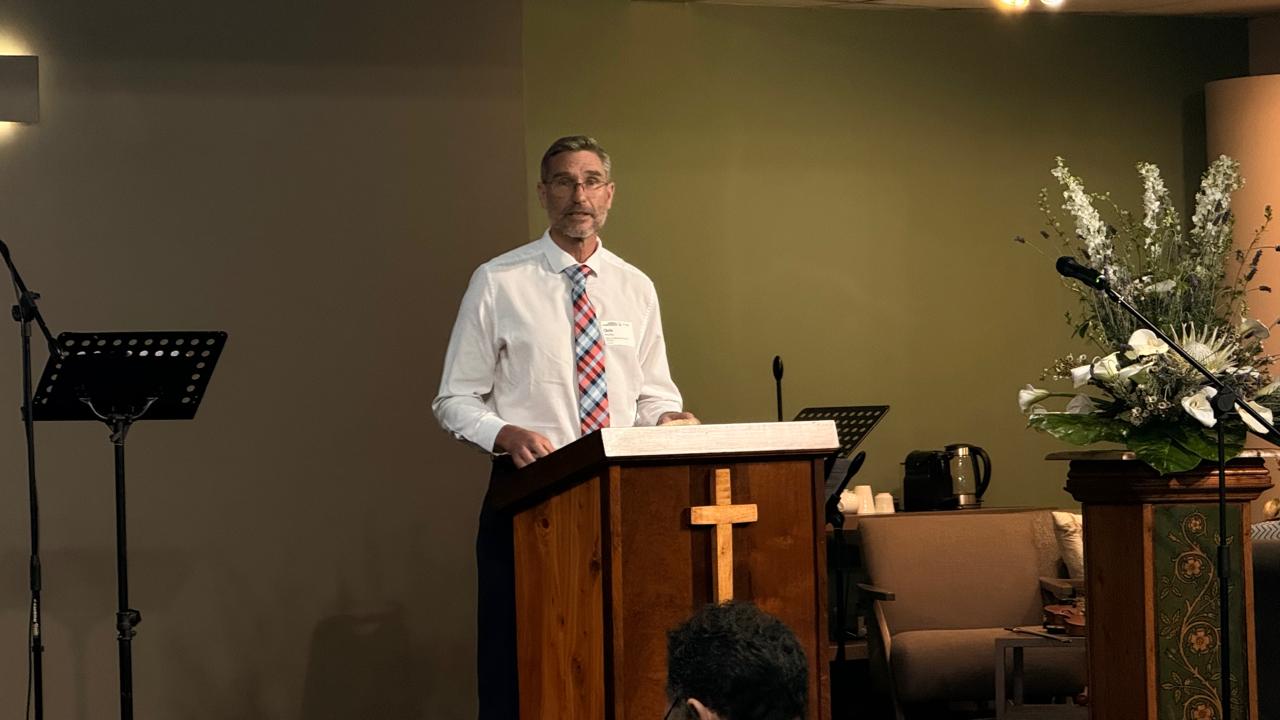
Chris first asked, why must we navigate these dilemmas? He argued that the text in Matthew 19 isn’t ultimately about divorce but about discipleship. Ethical dilemmas exist to test allegiance to Christ, expose the heart’s idols, and to call believers to humble dependence on God.
Chris next addressed some wisdom on how to tackle such dilemmas, drawing on four principles from Jesus’ approach.
2. Point people back to God’s original design. Rather than debating exceptions, Jesus returned to Scripture and God’s creation intent for marriage. Pastors must always look to Scripture and God’s design, even when there is no immediate satisfying resolution to difficult situations.
3. Be sensitive to heart struggles. Jesus exposed the hardness of heart behind the Pharisees’ question. Pastors should listen for what is not said: the idols and rebellion beneath the presenting issue.
4. Direct people back to God. Jesus reframed divorce from a legal permission question into a question of covenant faithfulness to God. The real issue in any dilemma is the person’s relationship with God, not just the horizontal circumstances.
Chris concluded by observing that navigating dilemmas often help expose the pastor’s own idols and deepen the pastor’s own trust in God, even as he seeks to help the people he shepherds. Congregations watch how their shepherds navigate hard decisions. The aim isn’t a simple formula that resolves every case, but a life and counsel that visibly shows Jesus is King, and his death and resurrection change how we live.
Plenary Session 5—Friday, 04 September
After a congregational song, Phil Hunt asked Paul Schlehlein to offer a brief introduction to the GYM Camps and the 2027 Resolution Conference. Charles prayed for these ministries before introducing Matt Floreen, a pastor at Antioch Bible Church to preach on counselling broken marriages.
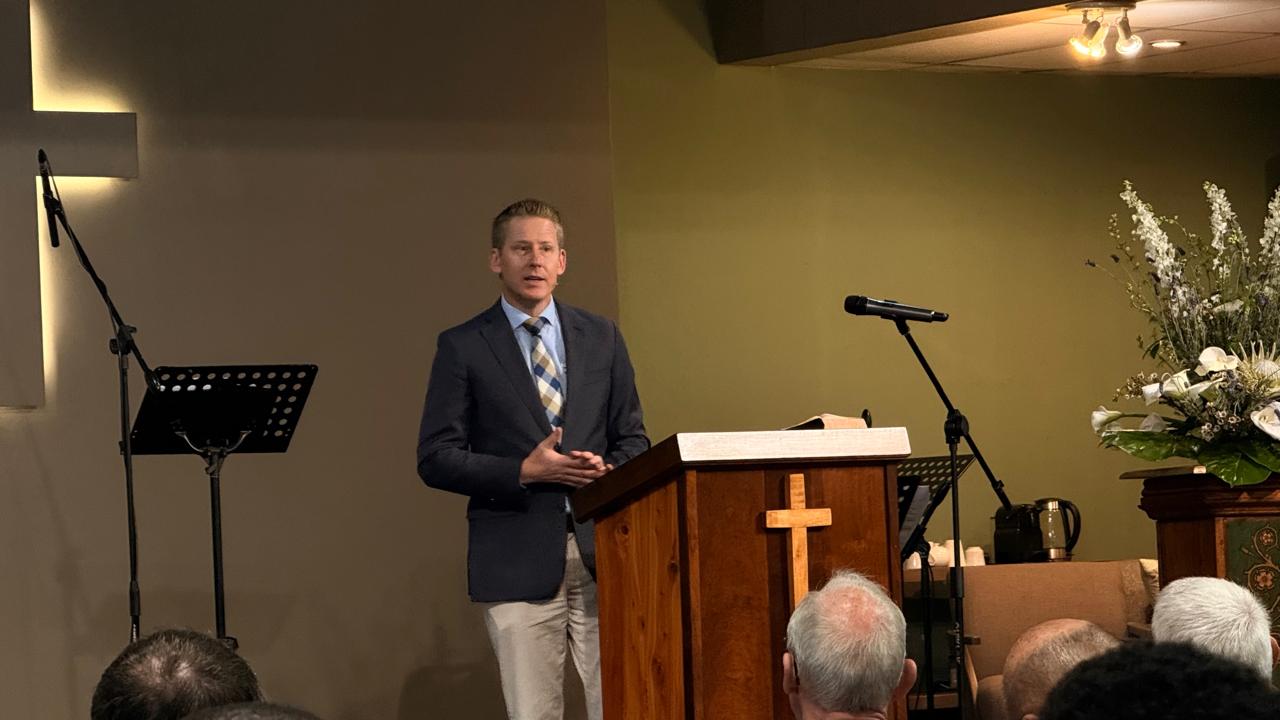
First, he noted that conflict is a heart problem (vv. 1–3), originating from sinful internal desires, not external circumstances, communication deficits, or past hurts. This biblical truth stands in contrast to worldly diagnoses, which identify problems as external. The text itself highlights three such internal temptations: unfulfilled desires, unrequested desires (failing to bring needs to God), and unacceptable (wrongly-ordered) desires.
Second, Matt noted that relational conflict is a worship problem (vv. 4–5), exposing spiritual unfaithfulness. Horizontal relationships reveal the state of the vertical relationship with God.
Third, Matt drew attention to the gospel as the solution (vv. 6–10). “But he gives amore grace” is the turning point. Matt outlined six steps of humility from the text: submitting, resisting the devil, drawing near to God, cleansing hands/purifying hearts, mourning sin, and expecting God’s exaltation in his timing.
Counselling cannot be reduced to a flowchart or outsourced to AI/algorithms, since it depends on grace-transformed counsellors modelling humble obedience, not merely technique.
Breakaway Session 2—Friday, 04 September
Plenary Session 6—Friday, 04 September
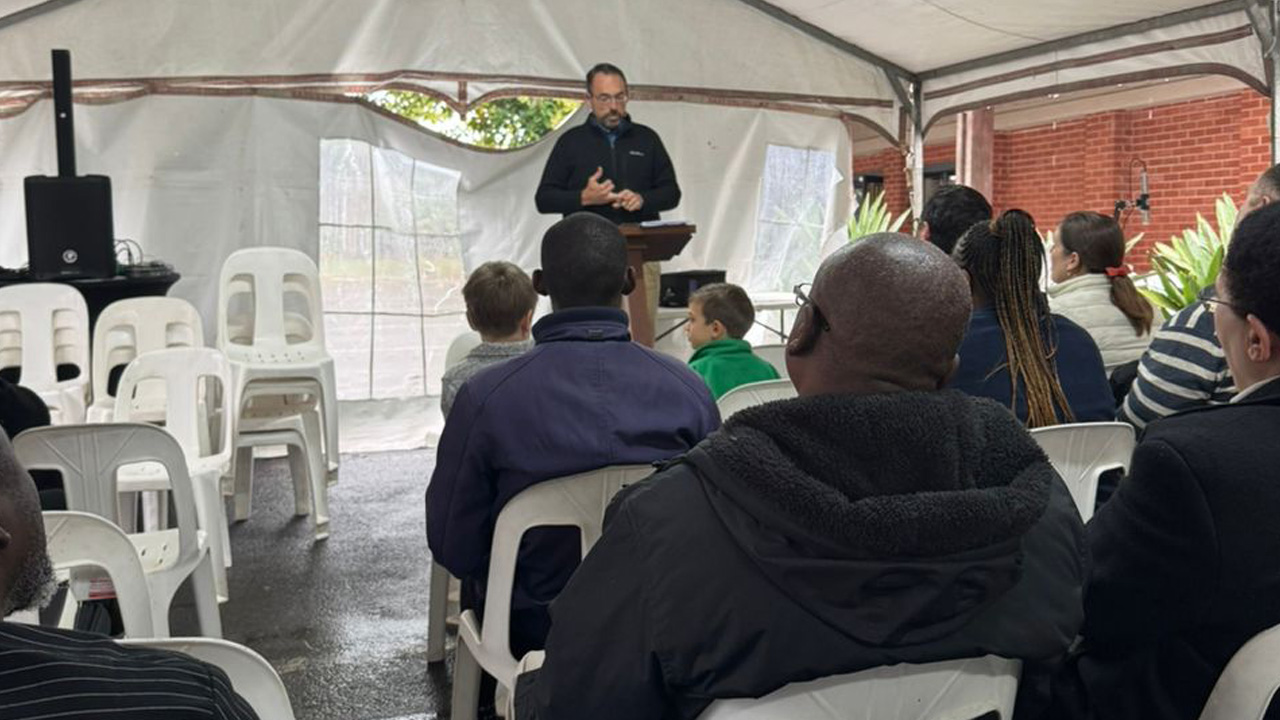
Phil conducted an interview regarding Reformation Bible Church’s planting of Trinity Bible Church, led by church planter Emmanuel Mpeni and Andrew prayed for the work. After one more congregational song, Conrad Mbewe was invited forward to deliver the final plenary message.
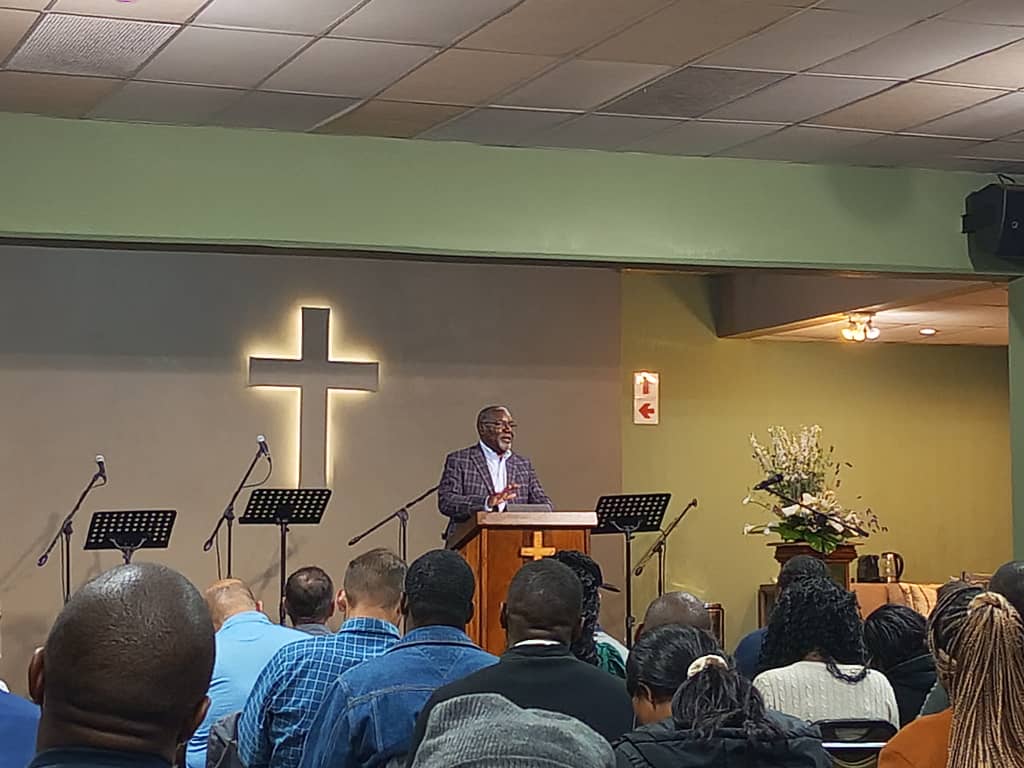
He traced a brief historical arc: a low, celibacy-favouring view of marriage before the Reformation, giving way to the Puritans’ recovery of marriage as a high and holy calling, with Ephesians 5 as a central text in that recovery.
The text offers two important instructions to husbands.
First, husbands must love as Christ loved (vv. 25–27). Christlike love is sacrificial (Christ gave himself for the church despite the barrier of divine justice), purposeful (his love aims at sanctifying the church through the word), and intentional (his aim is a spotless, glorified bride). In loving their wives, therefore, God calls husbands to deliberate, costly self-giving; to intentionally help their wives to grow in God’s truth; and to work hard for their wife’s holiness, not personal gratification.
Second, husbands must love their wives as their own bodies (vv. 28–33). This command is grounded in Genesis 2, where the woman is seen as being formed from the man. As no one neglects or hates his own body, husbands must nourish and cherish their wives rather than treating them as tools.
Conrad warned that household members—workers, visitors, extended family—are watching how a husband treats his wife, and this functions evangelistically or anti-evangelistically. A husband who prioritises business, property, or even children over his wife undermines his Christian witness to everyone under his roof. He closed with a call to repentance and a prayer for grace to love well.
Thank you