
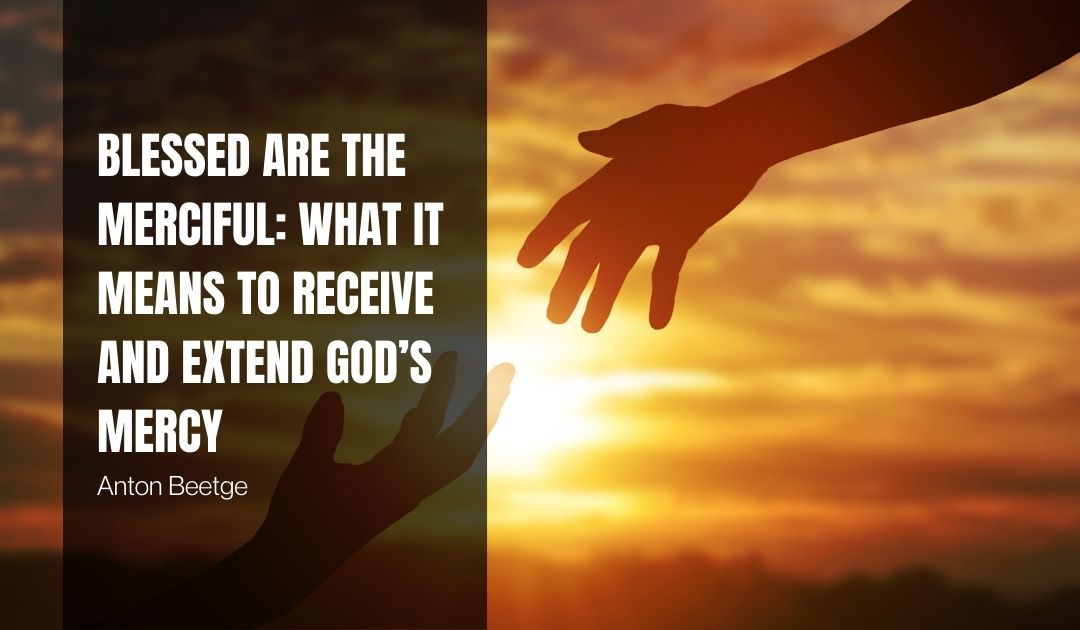
In Matthew 5:7, Jesus declares, “Blessed are the merciful, for they shall receive mercy.” This beatitude, like the others in the Sermon on the Mount, describes not how one becomes a citizen of Christ’s kingdom, but what such a citizen looks like. Jesus is painting a portrait of those who belong to him—people who have been profoundly changed to reflect their king.
Citizens Who Have Received Mercy
The first truth we must grasp is that citizens of the kingdom are those who have themselves received mercy. Jesus came not for the healthy but for the sick, not for the righteous but for sinners. Throughout his earthly ministry, he demonstrated himself to be the merciful king, healing afflictions that people were powerless to overcome on their own, extending grace to those who could never earn it.
Mercy is closely related to compassion—it sees the needs of others and steps in to pay the price. Similar to grace, which gives us what we don’t deserve, mercy spares us from what we do deserve. Through our broken, sinful natures, we are utterly unlike our holy God. We think, speak, and behave in ways that are offensive and insulting to him. Our sin makes us vile and wretched, deserving only his wrath and destruction.
In a very literal sense, we are dying people who have earned the wages of sin, and there is nothing we can do about it. We are incapable of turning back time, of doing away with our guilt, or of desiring what is holy and hating what is evil. We are helpless, deserving only judgement from the king.
But God has not condemned us. He sent his only Son to become man, to live a life of perfect holiness, and then to bear the penalty for sin. Mercy always has a cost—it is never convenient and never free. The difference is that the cost, instead of being demanded of the debtor, is paid by another. For citizens of the kingdom to receive mercy, God the Father had to send the Lamb of God to actually absorb his wrath.
Jesus came to drink the cup of God’s wrath down to the very dregs, so that all who believe in his name might not be condemned but counted as righteous heirs and children of God. Romans tells us that Jesus absorbed God’s wrath so that God might be both just and the justifier of those who have faith in Christ—just in that sin was actually paid for, and the justifier in that he is able to declare sinners righteous.
This is extraordinary news. No matter how dark your heart is, Jesus came so that God might be the justifier, the saviour, the mercy-giver of all those who have faith in Christ. If you have faith in Christ, then know that God has obligated himself to show you mercy, because for him to deny you mercy would itself be an injustice. Your salvation is as sure as God remaining God.
Citizens Who Show Mercy
But notice that citizens of the kingdom have not only experienced mercy themselves—they are themselves changed to be merciful people. “Blessed are the merciful.” This adjective describes how believers behave, their disposition. People of the kingdom are people of mercy because we follow the king of mercy.
Mercy is intrinsic to God’s very identity. In Exodus 34:6, when the Lord revealed himself to Moses, he proclaimed, “The Lord, the Lord, a God merciful and gracious, slow to anger, and abounding in steadfast love and faithfulness.” Our God is merciful, and therefore, as we are conformed to his image, we too become merciful.
How does this mercy manifest in our lives? Mercy includes alleviating suffering and taking care of people’s needs. It includes forgiving others—and how could we refuse to forgive when we have been forgiven and continue to require mercy through forgiveness ourselves? Those who still struggle with the flesh are kept humble as we experience God’s mercy daily, which helps us avoid the self-righteousness that would prevent us from extending forgiveness to others.
Mercy includes sharing the gospel. How could we who have experienced mercy through God’s free grace not take every opportunity to tell others where they can receive this same mercy? Mercy includes thinking the best of one another’s motives, not publicising one another’s sins, being willing to restore to fellowship those who repent, and not expecting perfection from imperfect people.
In essence, this beatitude is an expression of the golden rule: do to others as you would have them do to you. As Micah 6:8 declares, “He has told you, O man, what is good; and what does the Lord require of you but to do justice, and to love kindness, and to walk humbly with your God?”
Growing in Mercy
Are you characterised by mercy? Is the mercy that has been shown to you something from the distant past, or are you reminding yourself each day of the mercy God shows towards you, allowing that remembrance to drive you to act mercifully towards others?
There is a very real sense in which being a Christian means becoming who you are in Christ, being conformed to what you have been declared to be. Citizens of the kingdom are naturally merciful, but they’re growing more merciful. They’re already merciful, but they’re becoming more so. Jesus is saying through these beatitudes: This is who you are; this is what my cross has bought for you—so act accordingly.
Citizens of the kingdom are those who know just how undeserving they are, yet they are intimately and frequently acquainted with the mercy of God. They are blessed, joyful, and flourishing. They can show mercy to others precisely because they have received mercy, they continue to receive mercy, and they expect to receive mercy on the day of judgement. Nothing can change this truth. Nothing can separate us from the love of God. We have nothing to fear.
Blessed are the merciful, for they shall receive mercy.

About the author
